
Quick answer
No source we found publishes an average cost to fix Turkey teeth, so any single figure you see online is a guess. What is documented is a range: in a British Dental Association survey of 1,000 UK dentists, about two in three of those treating failing work from abroad put the repair at £500 or more, about half over £1,000, and a fifth of that half over £5,000. An Irish specialist puts removal and replacement at up to 40,000 euros and about six months. The NHS may deal with pain and infection, but a rebuild is usually private.
The cost to fix Turkey teeth in the UK has no published average, and that gap is the first thing to understand about it. What exists instead is a spread of reported bills, and the top of the spread is frightening. One Irish specialist puts the cost of taking failed work out and replacing it at up to 40,000 euros and about six months of appointments. A UK woman interviewed by a news agency in 2022 was told it would cost 30,000 euros to put her mouth right, roughly three to four times what she had paid in Turkey. Another, who had treatment in Antalya, says an implant went through into her nose and sinus and that she now relies on friends' crowdfunding to pay for private care.
None of this means every trip goes wrong. It means the price on the quote from Turkey is only the first of two possible bills, and the second one is not written on anything you are given before you travel.
This guide lays out the repair costs that dentists and newspapers have actually reported, sets them against Turkish prices, explains why a rebuild costs so much more than the work it replaces, says what the NHS will and will not do, and ends with the few checks that make the second bill much less likely.
How much does it cost to fix Turkey teeth in the UK?
From a few hundred pounds to tens of thousands, and nobody publishes an average. We looked for one and found none: no dental body, regulator or survey we opened gives a typical repair price for work done in Turkey, and we have not invented one. Any website that quotes "the average cost to fix Turkey teeth" is guessing or selling something.
What can be said is this. The size of the bill depends on what went wrong, and the range is wide.
- At the low end, a crown that is poorly fitted or a filling that needs redoing is a routine item that a UK dentist can price at a consultation.
- In the middle, teeth that were cut down for crowns they did not need, a gum infection around bonded crowns, or an implant that has to come out are multi-visit jobs, and the Northern Ireland dentist quoted below says they can involve several different specialists.
- At the top, a full removal, infection treatment and rebuild, sometimes with bone grafting, runs to a bill the patient never budgeted for, spread over many months.
The figures in the sections below are the reported bands for those situations. They are not prices you can add up for your own mouth. Only an examination by the dentist who will do the repair, with X-rays, gives you one.
What did 1,000 UK dentists say repairs cost?
The most detailed UK figures come from a survey by the British Dental Association (BDA), reported in July 2022. It asked 1,000 UK dentists about patients who had been treated abroad. Of those 1,000, 94% had examined such patients, and 86% of that group had treated patients whose treatment was failing.
Those 86% were then asked what the repair cost. About two in three, 65%, estimated at least £500. Some 51% estimated more than £1,000. Of that last group, 20% said the cost was above £5,000. Read that carefully: the fifth is a fifth of the over-£1,000 group, not of all dentists, so the £5,000-plus bill is a minority case in this survey. It is a documented one.
The survey also reported who ended up doing the work. More than 40% of the dentists who had treated failing cases said the remedial treatment was provided by the NHS.
Three limits matter before you repeat these numbers to anyone. First, the survey is of dentists' estimates, not of invoices. Second, it covers treatment abroad in general, not Turkey alone. The report names Turkey as a popular destination for cheap cosmetic dentistry, but the figures are not split by country. Third, it counts dentists who have met failing work. It cannot tell you how many patients come home with work that holds, because they do not turn up in a UK surgery. We have found no study that measures how often Turkish dental work fails, so be wary of anyone who gives you a percentage in either direction.
What the survey does establish is a set of bands. Repairs at £500 or more are common in the dentists' experience, bills above £1,000 are reported by about half, and bills above £5,000 are reported by a meaningful minority of that half.
What does fixing Turkey teeth cost in Ireland?
The Irish figures are higher, and they come with a clear description of what the money buys. In May 2025 a reconstructive dentist, a recent president of the Irish Dental Association, told a national newspaper that Irish patients who had dental work in Turkey are spending up to 40,000 euros on repairs. That covers removal, treatment and replacement, and does not include what they paid for the original treatment.
The same specialist gave the shape of such a repair. It takes about six months, with visits roughly every three weeks, each lasting around three hours. He said he sees on average six patients a month with these problems, and that over-treatment is the most common one. Patients often come back with 10 crowns on the top and 10 on the bottom. He described one patient who needed only three crowns and whitening but returned from abroad with 20 crowns. Crowns that are bonded together cannot be flossed between, which can lead to gum infection and pain. The fix is to take the crowns off, bring the infection and the teeth under control, and only then fit new crowns.
He also gave the price comparison that drives the whole market. Dentist websites in Ireland put a crown at 600 to 850 euros per tooth, whereas in Turkey a crown can cost as little as 150 euros.
Put those two facts together and the arithmetic of the fear becomes plain. A saving of a few hundred euros a tooth looks large when you are looking at 20 teeth. It looks small beside a repair that can reach 40,000 euros. The Irish figure is the upper bound the specialist gave, not a typical bill, and it is one dentist's account. But it is the figure a patient who has been through it can be handed, and it is the figure to hold against any quote that promises a whole mouth cheaply.
Why were some patients quoted three to four times the Turkish price?
Some of the clearest numbers come from patients rather than surveys.
In October 2022 a news agency reported on a UK patient whose dental work in Istanbul had gone badly wrong. After persistent effort she recovered 3,000 euros from the clinic. For the repair at home she and another patient were quoted 30,000 euros, which the report put at roughly three to four times what they had paid in Turkey. She refused an offer from the Turkish dentist to treat her again, saying she was too afraid, and had dentures made elsewhere.
The same report quoted a lawyer who has helped more than a dozen patients seek redress. Her description of the process was blunt: it is very slow, and takes about two years. That matters for the arithmetic, because a refund, if it comes, arrives long after the repair has to be paid for.
In February 2026 a UK radio and online outlet told the story of a woman who went to Antalya for implants. She said the treatment was going to cost about £3,000 in Turkey, against closer to £50,000 in the UK. She had extractions, a planned bone graft and sinus lift, and implants in both jaws, and later found that an implant had gone through into her nose and sinuses. She described an infection that damaged the inside of her nose, daily pain, and a crowdfunding page started by friends to pay for private care after the NHS did not help; she said most of that money was gone. The report did not name the clinic. This is one person's own account as reported, and it does not by itself show what caused each problem.
The point of retelling these is the sequence, not the drama. A low price abroad, a problem at home, a repair bill that is a multiple of what was saved, and a refund route that is slow and uncertain. If you are weighing a quote from Turkey, ask what you would do at step three.
Why do repairs cost more than the original work?
Because a repair is a different and longer job from the one it replaces, and it is done on a mouth that has already been changed.
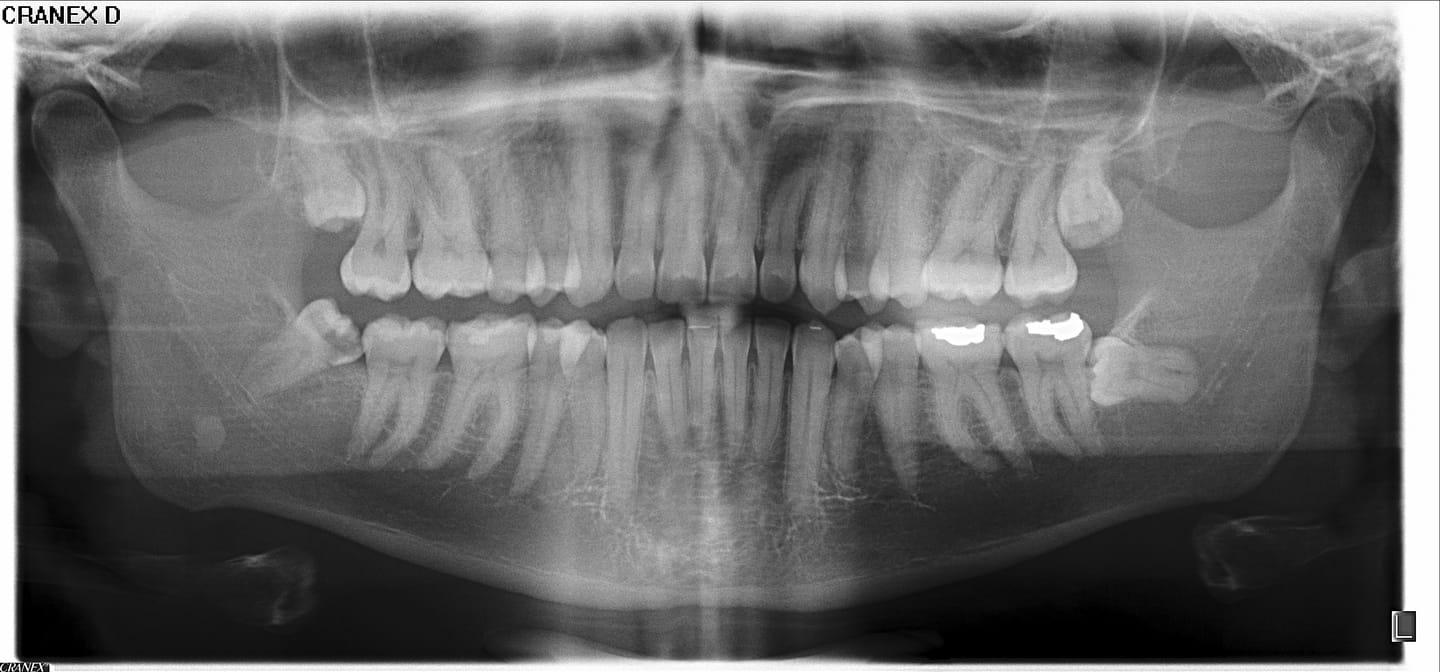
The shape of it, from what the Irish specialist described, is a sequence rather than one visit. The existing work is removed. Infection is stabilised and the teeth and gums are brought back under control. Only then are new crowns or implants fitted. Each stage is a separate private appointment. The Northern Ireland dentist who wrote about this in October 2026 also noted that fixing such problems involves high remedial costs and several different specialists.
Several things stack on top of that.
- Material that cannot be put back. Enamel removed to fit a crown does not grow back. A tooth that was ground down for a crown it did not need will need a crown, and later a replacement, for the rest of its life. The cost is not only the repair now but the maintenance later.
- Unknown starting points. A dentist repairing the work needs to know what was done: which implant system, which materials, how much tooth was removed. If you bring home no records, the dentist has to establish that first, which adds to the work before treatment can start.
- Time. Six months of appointments is six months of fees, time off work and travel, none of which a Turkish quote counted.
- Private fees. Fees for private dentistry are set by each practice, and a multi-stage job is priced accordingly. We do not print a UK fee for a single stage because published prices differ and rarely cover the same items.
- The trip back. If the clinic will redo the work in Turkey, a return flight and nights in a hotel become part of the cost. Whether the clinic pays for these is a question both the General Dental Council and Ireland's Dental Council tell patients to ask before going.
The image is simple. The original price bought a short, planned stay. The repair buys months of unplanned appointments, and every one of them is billed.
Will the NHS pay to fix Turkey teeth?
For pain and infection, usually yes in England. For a rebuild, usually no.
NHS England's policy for patients who paid for dental treatment themselves says what happens when such a patient arrives at an NHS dental practice with a problem. The practice triages the patient. If the patient meets the NHS criteria, an acute management plan covers the immediate need, and pain and infection are dealt with. Anything further is judged against the usual NHS acceptance criteria and treatment guidelines, the same ones that apply to anyone else.
Those criteria are where the cost lands on you. The NHS's own information says implants are usually only available privately and are expensive, with exceptions for people who cannot wear dentures for particular reasons. Veneers are generally private unless there is a clinical need. Crowns are among the treatments usually available on the NHS, but that is a statement about clinical treatment, not a promise to replace a full set of cosmetic work. So a patient whose twenty crowns are failing may find that stabilising the infection is covered while the rebuild is not.
This matches the survey above, where a large minority of dentists said the NHS had provided the remedial treatment, which shows it often steps in. It does not follow that it will fund a full rebuild, and we have not found a source that says so. Scotland, Wales and Northern Ireland run their own NHS dental arrangements, and we could not confirm their rules, so ask a practice there.
The Irish News piece from October 2026 shows the other side of the problem. A patient had all their teeth removed in Turkey and was given implants and temporary dentures that they could not wear. The Turkish practice told them to return for the final teeth, but their finances had changed and they could not afford the flight. They said they had called six implant practices in Belfast and none would take them on. That is one person's account, relayed by a dentist writing an opinion piece, and it does not mean every practice refuses such patients. It does show a gap that the cost figures hide: when the clinic that holds the plan is abroad and the dentist near you will not start another dentist's job, the money is not the only obstacle.
In Ireland, the Health Service Executive's cross-border scheme covers planned care in other EU and EEA countries, and Turkey is not among them. Do not assume a public route will repay a rebuild.
What should you check before paying, so you never need this page?
The cheapest repair is the one you do not need. These six checks are about the cost chain specifically: each one is aimed at a way a low price turns into a high one. Our guide on Turkey teeth gone wrong covers the wider list of seven checks and what to do if something has already failed.
1. Is the facility on the register? "The register" is the Ministry of Health list of facilities authorised to treat international patients. Search it with the register search. An entry records the facility's official name, authorisation number, type, address, the doctors recorded against it and a website where one is on file. It does not record which treatments a facility performs, prices or complaints. A match means authorised, not good. The name on the register should be the name on your contract and invoice.
2. Who will treat you? Ask for the full name and registration details of the dentist who will do the work, and compare the name with the doctors recorded on the facility's register entry. A name that is missing is a question for the clinic, not a disqualification.
3. Is there an examination before the plan? A plan made from photographs describes a smile, not your mouth. The over-treatment cases above began with a plan that counted teeth rather than explaining them. Ask for the plan after an examination, with X-rays or a scan of your own teeth, and show it to your own dentist first. If the plan grows when you arrive, treat the new version as a new offer.
4. Is the quote itemised tooth by tooth? Each tooth should show the restoration planned, how much of it will be removed, and which alternatives were considered, including whitening or bonding. A headline for "a full smile" does not tell you whether you are buying 3 crowns or 20. See a cheap clinic against a transparent quote for how to read one.
5. What happens, in writing, if it fails? Ask how long the guarantee runs, what it excludes, whether it covers retreatment, and who pays for flights, hotel and remedial work if you have to go back. The 2022 and 2026 accounts above turn on exactly this. Our guide on guarantees and travel insurance goes through the terms.
6. How are you paying, and what are you taking home? If you can, pay by UK credit card: Section 75 of the Consumer Credit Act can make the card company liable for items costing over £100 and up to £30,000, including foreign purchases and part payments. It does not cover debit cards, where a chargeback can be tried instead, and in Ireland chargeback is the card route for both kinds of card. Neither is automatic. Leave with the X-rays, the treatment record, consent forms and, for implants, the manufacturer, product line and size of each one. For implants specifically, see dental implants in Turkey.
Copyable checklist
- Register: facility found; legal name matches contract and invoice
- Dentist: full name and registration details asked for; compared with the register entry; any gap put to the clinic
- Examination: assessment with X-rays or scan of my own teeth before the plan; shown to my own dentist
- Quote: each tooth listed with restoration, expected reduction and alternatives; clinical and travel costs on separate lines
- If it fails: guarantee length and exclusions, retreatment, who pays for flights and hotel, contact route, all in writing
- Payment and records: UK credit card or, in Ireland, a chargeback-capable card; records and implant details on departure
- At home: a dentist near me arranged for check-ups, and a UK estimate for the same work, so the two totals can be compared
Already chosen a dental clinic in Turkey?
An investigation checks the official registration, the provider details and the claims the clinic has made, against documents.
Clinic Investigation £29
One clinic. Evidence-based research. Clear findings and limitations.
Investigate my clinicWhat does checking first cost, compared with the bill it might prevent?
Put the numbers side by side. The reported repair bands run from £500 or more, through more than £1,000, to above £5,000 in the survey, and up to 40,000 euros in the Irish specialist's account. The investigation costs £29 and covers one clinic.
That is not a promise that an investigation prevents a bill. Medicine carries risk even at well-run clinics, and a check cannot rule out a complication. What it does is move the questions from "after the bill" to "before the deposit". It tells you whether the facility is on the register, what the register records about its doctors, and whether the clinic's own claims hold together on paper. If something does not match, you know before you pay. If everything does, you know what you are relying on. In either case you are comparing the quote with documents instead of with a sales message.
Beside the repair figures above, it is a small line in the chain, and it is the only one you can spend before the deposit leaves your account.
How does Clinimora investigate a clinic?
The register tells you whether a facility is authorised. It does not tell you what the clinic's own paperwork shows, whether the doctors recorded against it are the ones who will treat you, or whether the promises in a quote hold together. A Clinic Investigation takes one named clinic and builds a dossier on those questions, with the findings and their limits stated. Clinics cannot pay Clinimora for anything. Start with the Research Pass if you already have a clinic in mind.
Frequently asked questions
How much does it cost to fix Turkey teeth in the UK?
No average has been published, and any single figure is a guess. A survey of 1,000 UK dentists reported in 2022 found bands: for many failing cases the repair was put at £500 or more, for about half over £1,000, and for a fifth of those over £5,000. A full rebuild after infection can cost far more than the original work. Get a written estimate from a dentist who has examined your mouth.
What is the Turkey teeth removal cost?
There is no published price for removal alone, because removal is usually one step in a longer repair. The Irish Dental Association figure of up to 40,000 euros covers taking the work out, treating the infection and fitting replacements, not removal on its own. A UK dentist can only price it after examination and X-rays.
How much are Turkey teeth in the first place?
Prices vary by clinic and plan. One Irish figure puts a crown in Turkey from as little as 150 euros, against 600 to 850 euros per tooth on Irish dentists' websites. A UK press account reported a full implant plan at about £3,000 in Antalya against closer to £50,000 in the UK. Compare itemised quotes tooth by tooth, not headline totals.
Will a UK dentist fix Turkey teeth?
Some will and some will not. A survey of UK dentists found that over 40% of those treating failing work from abroad said the NHS provided the remedial treatment. One patient, in a Northern Ireland newspaper in October 2026, described being turned away by six implant practices. Ask early whether a dentist will take the work on.
Will the NHS pay to fix Turkey teeth?
In England, an NHS dental practice can see you for pain or infection after private treatment abroad. Further needs are judged against the usual NHS criteria, and implants and veneers are generally private. Plan on paying yourself for a cosmetic or implant rebuild. Scotland, Wales and Northern Ireland have their own arrangements.
Can I get my money back if the work fails?
It depends on the written guarantee, the contract and how you paid. One patient described in 2022 recovering 3,000 euros after persistent effort, and a lawyer said such cases take about two years. A UK credit card can give Section 75 cover on items over £100 and up to £30,000; debit cards may allow a chargeback instead.
Does travel insurance cover repairs to Turkey teeth?
Do not assume it does. Policies differ on planned treatment abroad and on complications, so read the wording before you travel. Our guide on guarantees and travel insurance sets out what to ask the insurer and the clinic.
How do I avoid paying twice?
Be examined before a plan is made, get a written tooth-by-tooth plan, check the clinic and dentist, and have it in writing who pays for a return trip if work has to be redone. Pay by a method that gives you protection. A Clinic Investigation checks the clinic's records and claims before you pay.