
Quick answer
Section 75 can make your credit card company jointly liable for a breach of contract or misrepresentation by a clinic abroad, but only on a credit card, for an item costing over £100 and up to £30,000, and only if you can prove what was agreed. Two Financial Ombudsman decisions on Turkish dental work show both sides: a credit card part-payment was refunded, while a debit card chargeback fought by the clinic ended without a refund and a Section 75 claim failed for lack of written detail. Pay on a credit card, and get the treatment specification in writing.
"Section 75 Turkey dental treatment" is what people type once the work is done and the problem is not going away. One patient who travelled to Istanbul over two visits, late in 2022 and early in 2023, paid for implant treatment in three ways: a debit card, a credit card from a different bank, and the rest in cash. The treatment cost about £8,500. She reported a misaligned bite, significant pain and some of her new teeth coming apart on the flight home. When the dispute was over, one of those three payment routes had returned her money. The other two had not.
That is not a story about one clinic. The decision does not even name it. It is a story about the way you pay, and about what you can prove, and it is the part of a dental trip that most price comparisons leave out. This guide goes through two Financial Ombudsman decisions on Turkish dental work, what each one shows, what the advertising regulator found about an all-inclusive price claim, and the written details that decide whether a card claim can win. Neither decision tells you a clinic was good or bad. Both tell you how fragile a refund is when the paperwork is thin.
Does Section 75 cover Turkey dental treatment? Credit card, debit card or cash
Section 75 of the Consumer Credit Act 1974 makes a credit card company jointly liable with the seller for a breach of contract or a misrepresentation. It applies to purchases made abroad. The item must cost over £100 and not more than £30,000, and the value of the item is what counts, not the amount that went on the card. You can claim even if you paid only part of the price on the card.
Three limits matter for dental work in Turkey.
- It covers credit cards only. Debit cards and charge cards are outside it. For a debit card the route is a chargeback, which is a request to your bank to reclaim the payment through the card scheme, such as Visa or Mastercard.
- It may not apply if the payee is an agent. If the business taking your money is acting for the supplier, such as a booking company rather than the clinic, Section 75 may not reach it. Paying the clinic directly, where you can, avoids the question.
- It does not remove the need for proof. The card company steps into the clinic's shoes only for what you can show was agreed and not delivered.
Cash is different. A cash payment on its own leaves no card company to claim against and no scheme to dispute it through. Some patients are asked to pay a balance in cash on arrival. If part of the price went on a credit card, the Ombudsman said in the first case below that Section 75 can also cover amounts paid by other means, such as bank transfers or other cards, so a credit card payment can keep the rest of the price within reach. That is the ombudsman's remark on a different card issuer's claim, not a ruling on the cash, and it will not help if no part of the price went on a credit card.
The practical order is simple. A UK credit card within the Section 75 band gives you the strongest card route. A debit card gives you a chargeback, which is weaker and runs on strict deadlines. Cash alone gives you nothing but the clinic's goodwill.
Case 1: the debit-card chargeback the clinic fought, and the bank dropped
This is the patient from the opening. The Ombudsman issued its final decision in May 2024, and both the patient and the clinic are anonymised.
She had agreed restorative treatment, including dental implants, at a clinic in Istanbul. She was quoted, and paid, about £8,500: £2,789 on a Bank of Scotland debit card, £4,570.05 on a credit card from another issuer, and the remainder in cash. Accommodation and transfers were part of the package. Over the two visits she said the treatment was not going as expected. Besides the bite, the pain and the teeth that came apart on the flight home, she described a long exchange with the clinic, which offered further remedial work. She had lost faith by then and wanted her money back.
On 12 January 2023 she contacted the bank about the debit card payment, and she contacted the credit card company about the other. The credit card company refunded what she had paid on that card, citing Section 75.
The bank could not use Section 75, because it does not apply to debit cards. It tried a chargeback instead, raised on 22 February 2023 under the Visa reason that goods or services were not as described or were defective. The clinic opposed it, saying it had carried out the service she paid for. The bank was not persuaded, and on 23 March 2023 it escalated to a stage called pre-arbitration, saying among other things that the clinic had provided nothing showing the service was as described before the sale. On 14 April 2023 the clinic opposed again, this time sending before-and-after photographs, receipts, invoices and hotel bills, with a written rebuttal.
After reading that, the bank decided not to take the dispute to the final stage, arbitration, where the card scheme itself rules. It told her on 20 April that it would look again if she sent more information within ten days. She sent a UK dentist's report on 28 April. On 3 May the bank told her it was too late.
The Ombudsman agreed with the bank that the chargeback was unlikely to have gone further. Card scheme rules do not allow new information to be submitted at the arbitration stage, so the dentist's report could not have been put in front of Visa. The ombudsman also noted that the clinic would probably have kept opposing the chargeback, and that its offers to carry out remedial work might have counted in its favour. The prospect of winning at arbitration was, in the ombudsman's judgement, no better than uncertain. No refund was ordered.
What the ombudsman did order was money for the bank's customer service: it had given her wrong information about time limits several times. With the £40 already paid, the total came to £150. The ombudsman said directly that the chargeback was the only way the bank could have reclaimed the money, and told her she might go back to her credit card company to widen her Section 75 claim to the rest of the price, noting that Section 75 can cover amounts paid by other means such as bank transfers or other cards, without commenting on whether it would succeed.
Three things stand out. The route that worked was the credit card. The route that failed was the one with a rulebook, a clock and a clinic that fought. And the evidence that mattered most, an independent dentist's report, arrived after the window where it could be used. None of that says the patient chose the wrong clinic or that a different payment would certainly have changed the clinical outcome. It says that when the dispute began, the money sat in three places with three very different chances.
Case 2: the Section 75 claim that failed on '28 crowns'
The second decision, issued in April 2024, concerns a patient who paid a dental clinic in Turkey £2,655.66 on a Vanquis credit card on 15 April 2022, while he was in Turkey. The package covered dental treatment, hotel accommodation and transfers. On the face of it, the card was the right one: a credit card, inside the Section 75 band.
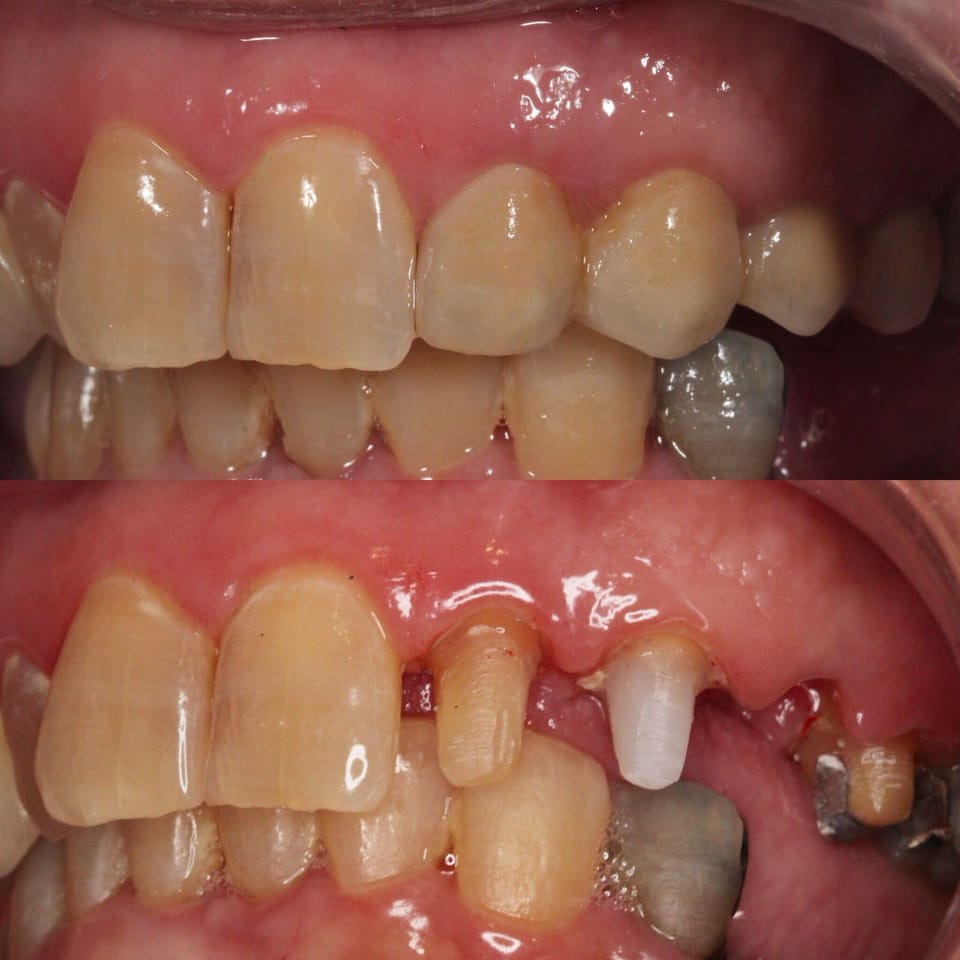
He believed he had bought 28 individual crowns. He was fitted with 28 zirconium crowns, but some were joined as bridges rather than standing alone. He reported discomfort and difficulty eating. A UK dentist who wrote a report for the claim said the design of the work increased the risk of gum disease and that this type of restoration had been common decades ago and was not common today. His usual UK dentist told him they could no longer treat him and advised him to leave the teeth for now.
The card company declined his Section 75 claim in May 2023 for lack of evidence of what the clinic had specifically agreed to provide. He took it to the Ombudsman, who did not uphold his complaint.
The reasoning is the lesson. The ombudsman accepted that Section 75 would let him hold the card company liable for the clinic's breach or misrepresentation. But the documents were thin. They showed 28 crowns, and they did not say whether all would be individual crowns, so the ombudsman could not conclude the clinic had misrepresented the treatment or breached the contract by fitting a mix. Other treatment, such as root canal work, was not on the invoice. An interpreter had been promised and, it seems, was not provided, but the ombudsman found it hard to say what difference that made, because someone from another company had interpreted at the consultation. Aftercare was meant to be included, yet nothing set out what it covered or how to reach it.
On the quality of the work, the ombudsman said the Financial Ombudsman Service has no dental expertise and so needs clear, persuasive evidence of a medical nature. Both UK dentists had commented on the treatment, but neither had addressed whether it met the standard that applies in Turkey. With treatment carried out in another country, the ombudsman considered that the relevant codes and standards were likely to be that country's. Without evidence on them, a claim of poor care and skill could not be made out.
So here was a patient who paid by credit card, in the right amount band, and still lost. Not because Section 75 does not reach Turkey, but because the contract was too vague and the expert evidence stopped one step short.
What the Ombudsman said card issuers do not owe you
A patient may expect the card company to guard them in advance. The second decision is blunt about that. The patient said his card company had told him the card was protected abroad but had not explained what evidence he would need. The ombudsman did not think the card company had a responsibility to warn him against going to Turkey for dental treatment, and said it was not part of a credit card company's role to advise customers on dental treatment or on contracts in general.
The decision does set one expectation. Once a claim has been raised, the ombudsman would have expected the card company to tell the customer what kind of evidence he might need, and considered that good practice in the industry. That is a standard for the card company's conduct after you claim. It is no reason to wait for a prompt.
The first decision adds how chargebacks work in practice. There is no general consumer right to demand a chargeback. The ombudsman would expect a bank to attempt one, as good practice, where it would comply with the scheme's rules and have a reasonable chance of succeeding. Chargebacks are not certain to succeed: the clinic can oppose them, the bank can escalate to pre-arbitration, and only then does the card scheme rule. Each stage runs on a clock. In that case the clinic had 30 days to reply at each of the first two stages, and new evidence was shut out at the last.
If you take away one rule from both decisions, make it this: the claim is built in the first round. Put your account, the contract, the quote, the photographs and any independent dentist's report in front of the card provider early, and do not plan on topping it up later.
'The price includes everything': what the advertising regulator found
Packages are sold on a headline figure. The advertising regulator has ruled on one such headline. On 11 October 2023 the Advertising Standards Authority published a ruling against Aestheal Clinic in Istanbul over a paid Facebook advertisement, seen in May 2023, promoting cosmetic surgery. The ad listed five procedures with a financial value of 4999 euros and said the price included all operations and services.
Two points of precision matter here, because this is easy to overstate. First, it was an advertisement for cosmetic surgery, not dental work. Second, the regulator did not separately rule on the all-inclusive wording. It upheld three complaints: that the ad created unrealistic expectations and was not socially responsible, that its summer message created undue urgency and trivialised surgery, and that it misleadingly left out the need for a pre-consultation to assess suitability, including where that consultation would take place. The advertiser also failed to respond promptly to the regulator's enquiries.
What carries over to dental packages is narrow but useful. A single all-in figure in an advert is a headline, not a contract. The regulator's finding was that material information was missing from the advert: that a consultation is needed before treatment and where it would happen. The same kind of gap shows up in Case 2, where the paperwork said 28 crowns and did not say which kind. Before you pay, ask what the headline figure leaves out, and get the answer in the document you will sign. Our guide to what a medical treatment quote from Turkey should include lists the lines to look for, and how to check a clinic quote shows how to test one.
Already holding a package quote from a clinic in Turkey?
An investigation checks the official registration, the provider details and the claims the clinic has made, including what its quote says is included, against documents.
Clinic Investigation £29
One clinic. Evidence-based research. Clear findings and limitations.
Investigate my clinicThe written specification that makes a claim winnable
Both decisions come back to the same gap: nobody could show, in writing, exactly what had been promised. A card claim, a chargeback and an Ombudsman complaint all start from the document you hold on the day you pay. The specification you want, before any money moves, covers these points.
- Which teeth, one by one. The tooth number for each crown, veneer or implant, not a total. "28 crowns" would have been much stronger as "28 single crowns, one per tooth, listed by tooth".
- Single units or joined. State whether each is an individual crown, a splinted crown or part of a bridge. This is the exact question the second decision turned on.
- Material and brand. The type of crown or the implant system, with the manufacturer, so a dentist at home can identify it and a later reader can see whether it matches.
- The other treatment in the price. Root canal work, gum treatment, extractions and grafts, each named, because in the second case some treatment the patient received was not on the invoice.
- Aftercare, in terms. What is covered, for how long, how to claim it, who you contact and how fast they reply. "Aftercare included" is not a term.
- Services around the treatment. Interpreter, transfers, accommodation and any consultancy, each on its own line, because a promised service that was missing was another point in dispute.
- Who treats you. The full name of the dentist or dentists, and the facility name that matches the invoice.
- What the plan can change into. What happens to the price if the examination on arrival alters the plan, and what you can do if you decline the change.
Keep what you receive: the quote, the contract, the consent forms, the invoices, the messages in which anything was promised, photographs of your teeth before treatment and X-rays. If the work later goes wrong, ask a dentist at home to write a report that says what is wrong, what it will take to put right, and whether the treatment met the standard that applies where it was carried out. That last clause is the step the second decision found missing.
Some of this is also a question of who sold you the trip. UK solicitors generally cannot enforce UK law against a clinic in another country, a limit a UK law firm that handles surgery claims has set out. Where a UK-based company arranged the treatment, the position can differ, so keep the messages and invoices showing who sold you what and where that company is based. For the route to complain in Turkey itself, see how to complain about a clinic in Turkey, and for guarantees and insurance, guarantees and travel insurance for dental work.
Deposits, cash balances and paying on arrival
Money often moves before the first appointment. The pattern described in public forum threads about treatment in Turkey, which are anonymous personal accounts and prove nothing about any one clinic, is a deposit of a few hundred pounds by bank transfer and the balance requested in cash on arrival or the day before treatment. Some posters describe deposits as non-refundable. Treat that as a reason to ask, not as a rule.
Think about each payment as a separate protection decision.
- The deposit. Ask who receives it, the clinic or a booking company, and what happens to it if the plan changes or you withdraw. Put the answer in writing. A deposit on a UK credit card, for a purchase within the Section 75 band, can be covered even when it is only part of the total. A deposit by bank transfer alone has no card claim behind it, though the ombudsman noted that Section 75 can reach amounts paid by other means when part of the price was on a credit card.
- The balance. If you can pay it on a credit card, do. If the clinic asks for cash, remember that a cash payment has no card route of its own. In Case 1 the credit card issuer refunded only what had been paid on that card, and the ombudsman pointed her back to it to widen the claim. Ask why cash is needed, and what receipt you will get.
- The payee. The name on the payment should be the name on the contract and the invoice. If it is a different company, ask why, because of the agent point above.
- The timing. Do not let money already spent push you into a plan you doubt once you arrive. A deposit lost is a cost; a treatment you did not want is a bigger one.
Pay before you have read and understood the specification and you are paying for a promise with no wording. The questions to ask before paying a deposit go through the terms to settle first.
What to do if you are already in a dispute
If something has already gone wrong, the order matters more than the detail.
First, tell your card provider now, whichever card you used, and ask which route applies: a Section 75 claim for a credit card, a chargeback for a debit card. Ask for the time limits in writing. In Case 1 the deadlines were set by the card scheme and could not be stretched.
Second, put your complaint to the clinic in writing, with dates, the problem and what you want, and keep the reply. In Case 1 the clinic's offers of remedial work were weighed by the ombudsman, so if you refuse an offer, say why in writing.
Third, get an independent dentist's report early, and ask it to deal with the standard that applies to work done in Turkey, not only to what looks wrong.
Fourth, if you made a Section 75 claim and the card company has not answered within eight weeks, or has refused, you can take it to the Financial Ombudsman Service. Its decision may go against you too, as the two cases show.
How does Clinimora fit into this?
A refund is the hardest part of the process. The easier part is the one before you pay: finding out whether the clinic is a company that exists as described, whether the Ministry of Health authorises the facility to treat international patients, who the doctors recorded against it are, and whether what its quote promises can be matched to documents. That is what a Clinic Investigation does for one named clinic: it builds a dossier on those questions, with the findings and their limits stated. It does not predict an outcome or rank clinics, and clinics cannot pay Clinimora for anything.
Both Ombudsman cases are about documents that were too vague. The register search shows whether a facility is authorised, and the Research Pass is where an investigation starts.
Copyable checklist
- Card: paid on a UK credit card, for an item between £100 and £30,000; deposit and balance both on that card where possible
- Payee: the name on the payment matches the clinic's name on the contract and invoice; if it is a booking company, I know why
- Cash: any cash payment has a named receipt, and I know that cash on its own has no card protection
- Specification: teeth by number, single crowns or joined, material and brand, other treatment, aftercare terms, interpreter and transfers, dentist's full name
- Plan changes: written terms for what happens to the price and the deposit if the plan alters on arrival
- Records: quote, contract, consent forms, invoices, messages, before photographs and X-rays saved in one place
- If it goes wrong: card provider told at once, time limits asked for in writing, complaint to the clinic in writing, an independent dentist's report that addresses the standard that applies in Turkey
Frequently asked questions
Does Section 75 cover dental treatment in Turkey?
It can. Section 75 applies to credit card purchases made abroad, for items costing over £100 and up to £30,000, and the card company can be liable for a clinic's breach of contract or misrepresentation. It does not decide the claim for you: you must show what was agreed and how the clinic fell short. One Ombudsman decision refunded a credit card part-payment; another upheld a card company's refusal for lack of evidence.
Can I get a chargeback on a debit card for dental work in Turkey?
You can ask your bank to try, but a chargeback follows card scheme rules, has strict deadlines and can be opposed by the clinic. In one Ombudsman case the clinic opposed it twice, the bank stopped before the final stage and no refund was ordered. Tell your bank early and send your evidence in the first round, not later.
Turkey teeth refund: who actually pays if the work is poor?
Nobody has to unless the contract, the law or a card scheme makes them. Your routes are the clinic's own remedy, a card claim, and a complaint through the Turkish channels. A UK card company is not the clinic's insurer: it answers only for what you can show was breached. The treatment specification and your records decide how far any route gets.
My Turkey dentist won't refund me. What are my options?
Write to the clinic setting out the problem, the dates and what you want. If you paid by card, contact the card provider quickly, because deadlines apply. Get a dentist at home to write a report that says what is wrong and whether the work met the standard that applies. If a UK company arranged the trip, ask what responsibility it carries.
Is my deposit refundable if I change my mind about a Turkish clinic?
Only if the written terms say so. In public forum threads about treatment in Turkey, some patients describe deposits as non-refundable, so ask before you pay what happens to the deposit if the plan changes or you withdraw. A deposit on a credit card within the Section 75 band can fall under protection; a bank transfer alone has no card claim behind it.
Do UK solicitors take claims about dental work done in Turkey?
Many cannot act directly. UK solicitors generally cannot enforce UK law against a clinic in another country. Where a UK-based company arranged the treatment, the position can be different, so keep the booking messages and invoices that show who sold you the package and where that company is based.
Does my card company have to warn me about going to Turkey for treatment?
In one Financial Ombudsman decision the ombudsman did not think the card company had a responsibility to warn the customer against treatment in Turkey, or to advise on dental treatment or contracts. It would, however, be good practice for the card company to say what evidence you need once you have raised a claim. Do not rely on being told.
What if I paid part by card and part in cash?
Section 75 can cover the whole item even if only part was paid on the credit card, and in one Ombudsman case the ombudsman noted it can reach amounts paid by other means, such as bank transfers or other cards. Cash on its own leaves no card trail. In that case the patient paid by two cards and in cash; the credit card issuer refunded what was paid on that card, and the debit card part was not refunded. Pay as much as you can by credit card.