
Quick answer
A dental implant is not one product: it is a fixture in the bone, a connector and a visible tooth, with a plan, imaging and years of maintenance around them. A price per implant therefore tells you little until the quote names which parts it covers, which implant system is used, who places and who restores it, and what is excluded. Implants are surgery, and UK dentists surveyed believed implants and crowns were the treatments most at risk of failure when done abroad. The Ministry of Health register lists a large number of dental facilities, but it records authorisation, not which treatments a facility performs.
Most searches for dental implants in Türkiye start with a price. The price is the least comparable thing about them. An implant is a screw in the jaw, a connector and a tooth on top, and one quote may cover all three while another covers only the first. This guide explains what a quote has to say before it is a plan, what can go wrong, and what to check about the clinic.
What are you actually buying with a dental implant?
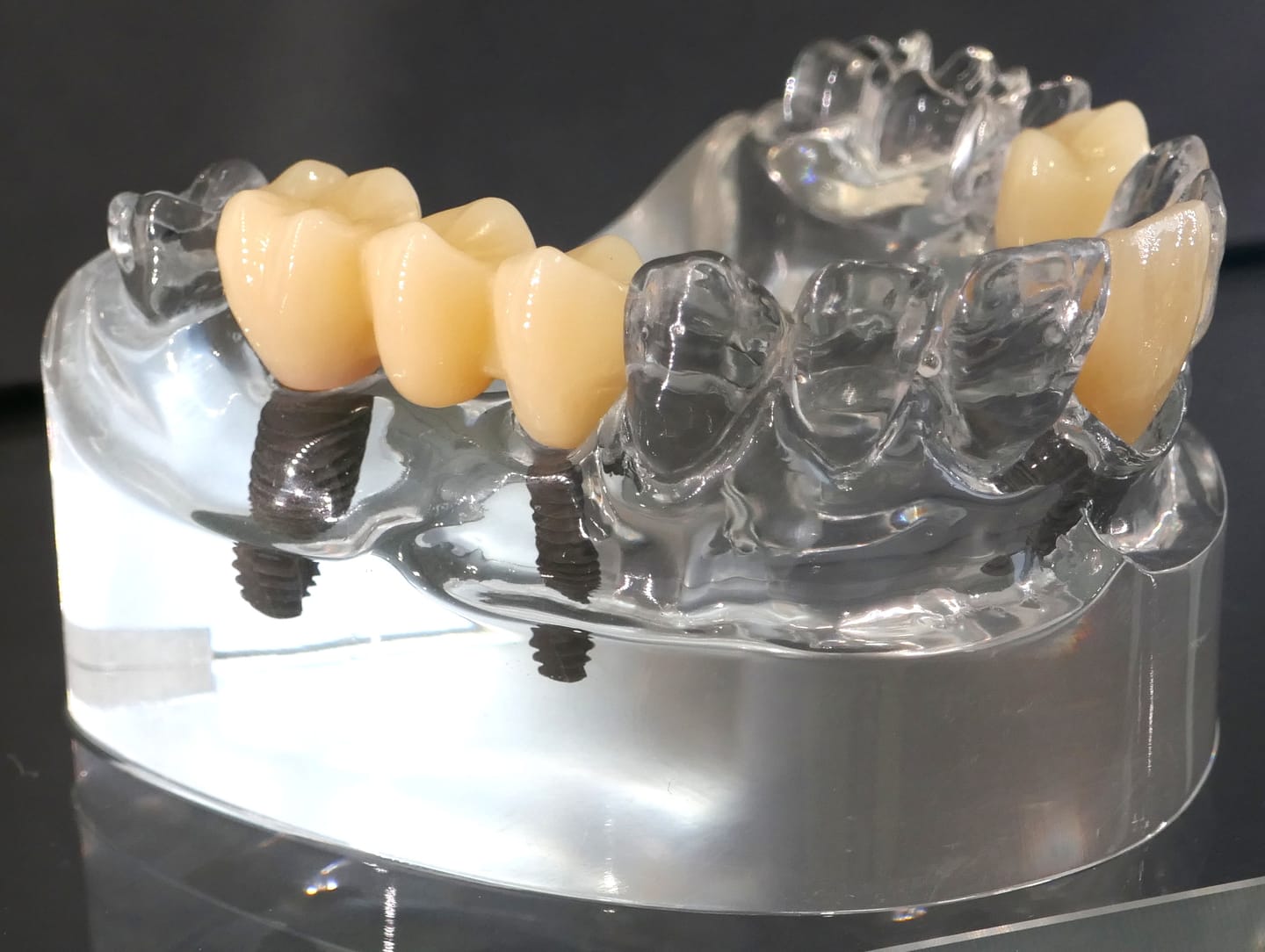
Three separate parts, plus the planning that goes with them.
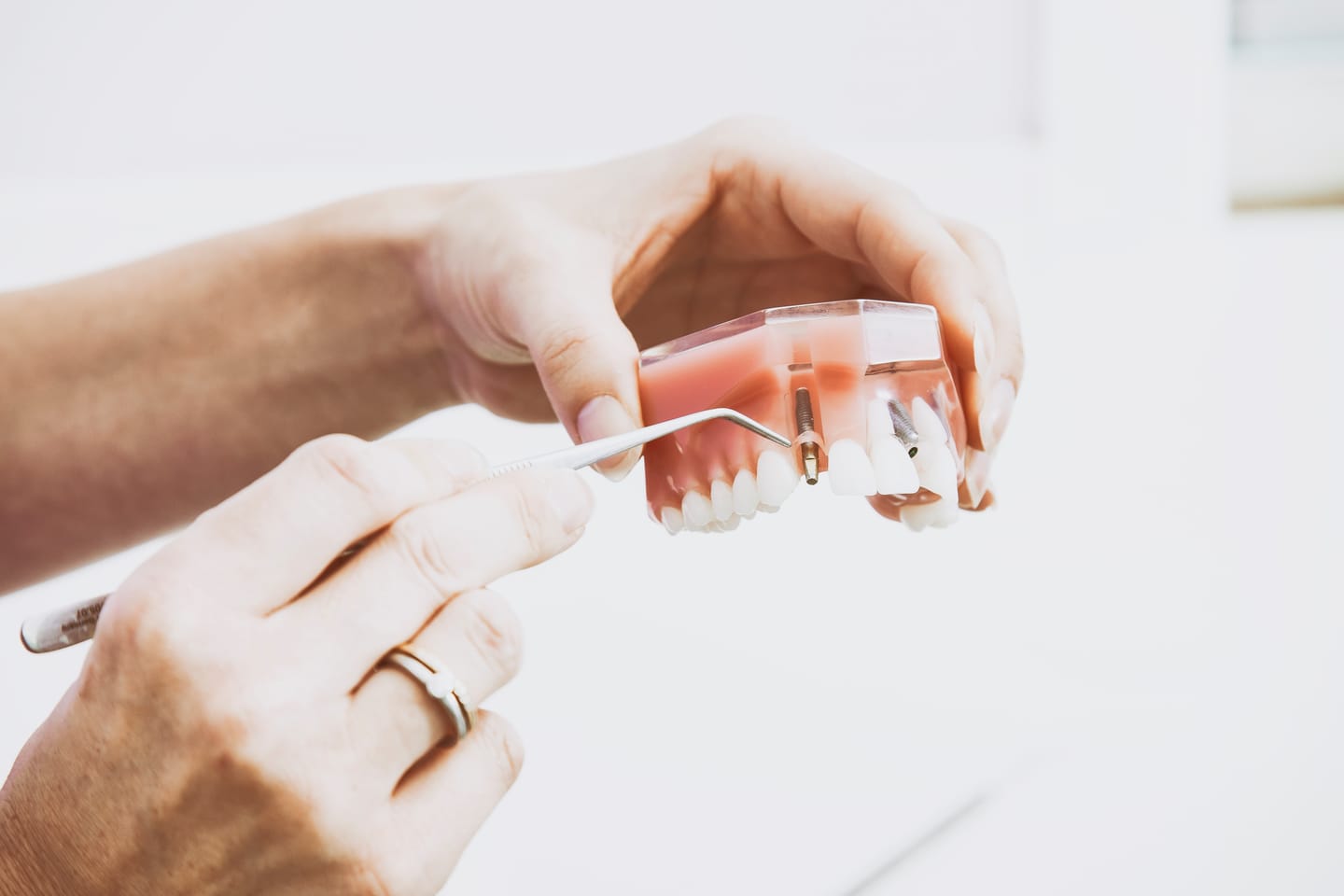
- The fixture. A small screw, usually titanium, placed in the jawbone in the place of a tooth root.
- The abutment. The connector that links the fixture to the visible tooth.
- The restoration. The crown, bridge or denture you can see.
Around those sits the examination and imaging that decide whether an implant can go where you want it. Suitability depends on your general health, your oral hygiene and the amount of bone at the site. Standard X-rays come first, and a CT scan giving a three-dimensional picture may be advised. A quote that appears before any of that has been done describes a typical case, not yours.
What does an implant quote have to itemise?
This is the cost question, and the answer is a list rather than a number. We do not print price figures here, because a figure without the list behind it is the thing that misleads. A clear quote states, for your mouth:
- How many implants, and where. Tooth by tooth, not a total. A full-arch plan that names a number of implants should say why that number. See All-on-4 versus All-on-6.
- Which implant system. Manufacturer, product line, and the diameter and length of each fixture. A dentist treating you at home later needs exactly this.
- Which of the three parts the price covers. Fixture, abutment and restoration, and what the restoration is made from.
- Imaging and examination. Whether the scan is included, and whether a plan will be issued before you travel or only after you arrive.
- Extractions, bone grafting and sinus lifts. Whether each is included, priced separately or conditional on what the examination finds, and what the price becomes if one is needed. Grafting depends on the bone at your site; our guide on grafts, sinus lifts and zygomatic implants explains when it comes up.
- Temporary teeth. Whether you leave with anything fixed in the interim, and whether it is covered.
- Anaesthesia or sedation, medication and follow-up visits. What is included, how many follow-ups, and where they take place.
- Clinical costs apart from travel costs. Treatment, then accommodation, transfers, interpreting and any consultancy, each on its own line. Since the regulation that took effect on 26 April 2025, an intermediary must give you, on request, a detailed breakdown of what it charges for accommodation, transport, transfers, interpreting and consultancy, and the health facility must issue an invoice with a detailed breakdown of its services and their unit prices. You are entitled to ask for both.
- Exclusions, and what could change the plan. A quote that lists no exclusions has not told you there are none.
- Deposit terms. The amount, who receives it, and what happens to it if the examination on arrival changes the plan or you decide not to proceed.
Our guide to what a medical treatment quote from Türkiye should include covers the whole document. Compare quotes only once each has been put into the same ten lines.
What are the risks of dental implants?
Implant surgery carries the risks of any dental surgery, and the ones that matter most are these.
- Failure to bond. The implant may not fasten to the bone and may have to be removed, sometimes with a replacement after healing.
- Infection. Infection can follow surgery, especially if aftercare instructions are not followed.
- Altered sensation. Numbness or altered feeling can occur after surgery. It usually settles; permanent numbness is described as very rare.
- Gum and bone problems over the years. Inflamed gum around an implant, and loss of the bone that holds it, can develop where the implant is not cleaned well.
- Wear. Crowns, bridges and denture fittings wear and may need refurbishing at extra cost.
Some people have a higher risk. Smokers have a much greater failure rate, gum disease lowers long-term success, and teeth grinding can overload implants. A clinic should ask you about all three before it plans anything.
How often implants placed abroad go wrong is not known. In a survey of 1,000 UK dentists, most said they had treated people suffering consequences of treatment abroad, and respondents believed crowns and implant treatments were the most at risk of failure. That survey counts dentists who have seen such patients; it cannot say how often work fails, and people whose implants hold up do not turn up in the data. Be wary of anyone who quotes a failure rate in either direction. For the wider picture, see are Turkey teeth safe and Turkey teeth gone wrong.
How long does the process take?
Longer than a holiday. Hospital patient information describes healing in the bone of usually three to six months after placement, sometimes longer, with the visible tooth fitted afterwards, and a total treatment time of usually at least a year from start to finish. A graft adds at least four months.
So when a plan fits implants and teeth into days, ask which stages happen on which trip and what the stage at home involves. Our guides on whether implants can be finished in one trip and how many days you need in Türkiye take that further.
Who places the implant, and who restores it?
They are different jobs. Placing the fixture is surgery; fitting the crown or bridge is restorative work. In many clinics, in Türkiye and elsewhere, different dentists do them, sometimes at different visits. That is not a problem in itself, but you should know who does which, and who you contact if something needs adjusting once the surgery is behind you.
"Our expert team" does not answer that. Ask for the full name and registration details of each dentist, then compare the name with the doctors recorded on the facility's register entry. A name that does not appear is a question to put to the clinic, not a disqualification: entries can be out of date or spell a name differently. See how to check a doctor in Türkiye.
What can you check about an implant clinic?
Five checks, in this order. Each is a written answer from the clinic, apart from the first.
1. Is the facility on the register?
"The register" is the Ministry of Health list of facilities authorised to treat patients who travel to Türkiye for care. It lists thousands of facilities across the country, a large share of them dental: clinics, dental centres and dentists' offices, most of them in Istanbul and Antalya. Search it with Clinimora's register search. Clinimora also has treatment pages for dental implant surgery and prosthetic teeth treatment.
An entry records the facility's official name, authorisation number, type, address, the doctors recorded against it and a website where one is on file. It does not record which treatments the facility performs, who performs them on a given day, prices or complaints. A match means authorised, not good. The name on the register should be the name on your contract and invoice. For one city in detail, see checking a clinic in Antalya.
2. Do you have a plan made after an examination?
You should be assessed by a qualified dentist before you are given a plan and a cost, including your medical history, smoking and earlier surgery. Ask for the plan with the imaging of your own jaw, and show it to your own dentist first: they can comment, and should know your plans in case you need help later. If the plan grows after you arrive, with a graft or sinus lift or more implants, treat it as a new offer: in writing, with time to think.
3. Is the quote itemised as above?
Use the ten lines in the quote section. Ask for the system, line and size of each implant in writing, and whether you will be given a record of it.
4. What happens if an implant fails or needs adjusting?
Ask before you pay: how failure is defined; whether retreatment, including any further grafting, is covered and at what cost; who pays for flights, hotel and remedial work; how long any guarantee runs and what it excludes; whom you contact from home and how fast they reply; and the clinic's complaints procedure. The regulation that took effect on 26 April 2025 also requires a facility to hold complication insurance for surgical and interventional procedures performed in an operating theatre. It does not say what such a policy covers, so ask whether your treatment falls under it and what it would pay for.
5. What will you take home, and who will look after the implants?
Take the X-rays, the treatment record, the consent forms and the implant record: manufacturer, product line, diameter, length and date of placement. A dentist at home who cannot identify the system has to work around it. Then arrange maintenance before you leave. Implants need careful cleaning and regular checks with a dentist or hygienist near you, usually every few months, and a hospital that places implants may not provide ongoing maintenance. See planning aftercare.
Copyable checklist
- Register: facility found; legal name matches contract and invoice
- Plan: made after an examination with imaging of my jaw; shown to my own dentist; changes after arrival in writing
- Quote: ten lines filled in: number and position, system, parts covered, imaging, extractions and grafts, temporary teeth, medication and follow-ups, clinical and travel costs apart, exclusions, deposit terms
- Dentists: full names and registration details for the surgeon and the restorative dentist; compared with the register entry
- If it goes wrong: guarantee, retreatment, who pays for flights and remedial work, contact route, complaints procedure, complication insurance question
- At home: records and implant record in hand; a dentist arranged for check-ups
Already chosen an implant clinic in Türkiye?
An investigation checks the official registration, the provider details and the claims the clinic has made, including its quote, against documents.
Clinic Investigation £79
One clinic. Evidence-based research. Clear findings and limitations.
Investigate my clinicShould you pay a deposit before you have the plan?
A deposit should secure a date, not commit you to a plan you have not seen. Before paying, have the examination-based plan and the itemised quote in writing, know whether the deposit goes to the clinic or to a booking company, and have the terms on what happens to it if the plan changes. The questions to ask before paying a deposit go through them.
If you can pay by UK credit card, ask your card issuer before you pay whether the purchase is covered. Protection under the Consumer Credit Act can apply to purchases abroad and to deposits; it does not apply to debit cards, and it may not apply where the payee is an agent for the supplier.
How does Clinimora investigate a clinic?
The register tells you whether a facility is authorised. It does not tell you what the clinic's own paperwork shows, whether the doctors recorded against it are the ones who will treat you, or whether the claims in its quote hold together. A Clinic Investigation takes one named clinic and builds a dossier on those questions, with the findings and their limits stated. Clinics cannot pay Clinimora for anything. See how Clinimora works and the Research Pass.
Frequently asked questions
How much do dental implants cost in Turkey?
There is no single figure worth quoting, because two quotes for an implant can cover very different things: the fixture alone, the fixture with the connector, or the whole tooth; with or without scans, extractions, grafting and temporary teeth. Ask each clinic to itemise what is included and excluded, then compare like with like.
Are dental implants in Turkey safe?
Implants are surgery and carry risks anywhere, including failure to bond, infection and, over the years, gum and bone problems. In Türkiye the added issues are distance and aftercare: who treats a problem once you are home. The checks on this page are meant to bring that out before you pay.
Do I need a bone graft?
Some people do and some do not. It depends on the bone at the planned site, which is judged on imaging of your own jaw, not on the number of implants. Be cautious of a plan that adds grafting to every case or promises nobody needs it.
How long does the whole implant process take?
Hospital patient information describes healing of three to six months after the implant is placed, sometimes longer, and total treatment of usually at least a year from start to finish. A grafted site takes longer. Ask which stages happen on which trip, and who does the stage that happens at home.
Who looks after my implants after I return?
You need a dentist near you for regular checks, usually every few months; a hospital that places implants may not offer ongoing maintenance. Arrange this before you travel and give that dentist the implant record.
How long do dental implants last?
It depends largely on cleaning, smoking, gum disease and teeth grinding, which are all things a clinic should ask about. Our guide on how long Turkey teeth last covers implants alongside veneers and crowns.