
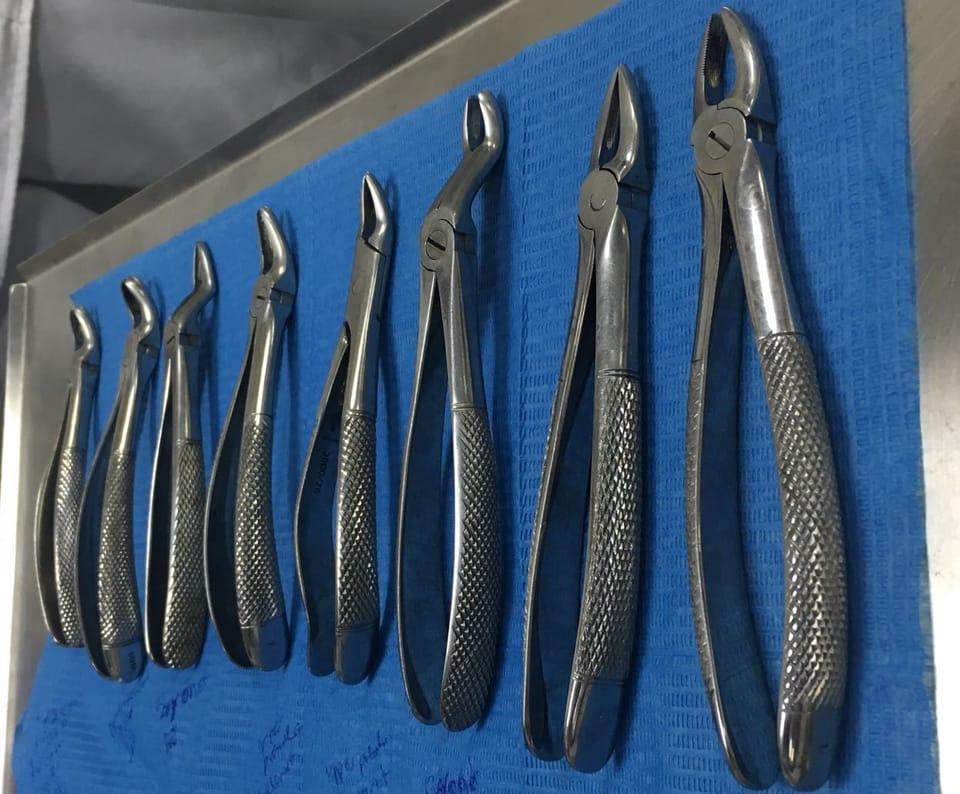
What it is
A tooth extraction removes a tooth from the bone socket in the jaw. Dentists do it when a tooth cannot or should not be kept, or as part of a larger plan. NHS hospital leaflets say a tooth can sometimes be extracted very simply, but on some occasions a small cut in the gum is needed to get it out, which is closer to surgical tooth extraction. A tooth that has not come through the gum properly is covered by the page on embedded teeth.
In the Ministry of Health register, the treatment appears as "Tooth Extraction" (Diş Çekimi) within the oral, dental and maxillofacial surgery branch.
Who it is for, and who it is not for
An extraction is for a tooth that your dentist judges cannot or should not be kept. It is not a way of avoiding a treatable problem, so if you are told to have teeth taken out as part of a large package, ask for each tooth to be listed with the reason, and whether it could be treated instead. A second opinion at home before you travel is reasonable.
Tell the clinic about your medical conditions and medicines. We have not verified which conditions or medicines change the plan, so ask the dentist to explain how your history was taken into account and to record it.
How it is done in Türkiye
NHS hospital leaflets describe teeth as usually removed under a local anaesthetic, with sometimes a small cut in the gum to get the tooth out. We have not found a source on how extractions are usually organised in Türkiye, so we do not describe a typical visit.
Türkiye's regulation on private oral and dental health facilities (Resmî Gazete, 6 October 2022, no. 31975, amended since) distinguishes between a practice, polyclinic, centre and hospital. As we read the consolidated text, sedation and general anaesthesia are not permitted in a practice or polyclinic, though they can be arranged at another facility, and centres need a general-anaesthesia unit. We read this through secondary reproductions. If you want sedation, ask in writing where it would happen.
We have not been able to confirm a rule that reserves extractions to one specialty or title. Ask who will treat you and what their title is.
What to check before you book
- Which teeth, and why. Ask for an X-ray or scan and a written list of the teeth to be removed with the reason for each.
- What comes next. If you are having implants, ask when they will be placed and what happens to the socket in the meantime. See dental implant surgery.
- Anaesthesia. Ask what type, and where it would take place.
- Your history. Check that medicines, conditions and smoking were recorded and that consent was explained before treatment.
- Aftercare in writing. Aftercare advice varies between NHS trusts, so ask for the written instructions of the clinic that does the extraction.
- Facility. Look up the facility on the register; see what the register can and cannot tell you and search the register.
What a package must state
- Which teeth are to be removed, one by one.
- Whether any are expected to need a cut in the gum or removal of bone, and what then changes.
- Anaesthesia type and facility type.
- Whether X-rays, medicines and stitches removal are included.
- What follows the extraction (bone graft, implant, temporary tooth) and whether it is included.
- Follow-up checks before you fly home.
- Records you receive: X-rays, treatment note.
- Cancellation and refund terms for deposits.
Risks, complications and aftercare
Common complications of tooth removal are dry socket, where the blood clot does not form properly or is lost, infection, and bleeding. NHS information on wisdom-tooth removal also lists damage to nerves near the tooth, which can cause numbness or tingling in the tongue, lips and chin. NHS leaflets describe dry socket as severe, throbbing pain, often with a bad taste or breath, and say smoking raises the risk.
NHS advice for after removal includes taking simple painkillers, eating soft food until chewing is comfortable, rinsing gently, avoiding the wound when brushing, pressing on the socket for at least ten minutes if it bleeds, and avoiding smoking and alcohol. If you have had a general anaesthetic, the NHS advises not to drive for 48 hours; after a sedative injection, 24 hours. Seek urgent dental help or call NHS 111 if you are in the UK and bleeding will not stop, pain and swelling are severe or worsening, or you have pain with a bad taste, high temperature or feel unwell. Individual advice from your clinic takes precedence.
Questions to ask in writing
- Which teeth will you remove, and why each one?
- Can any of them be saved, and what is the alternative?
- What anaesthesia, and in what type of facility?
- Will anything beyond a simple extraction be needed, and how would that change the plan?
- What happens to the socket afterwards, and what comes next if I want an implant?
- What aftercare instructions will I receive in writing?
- What checks will I have before I fly home, and who do I contact afterwards?
- Which records will I receive?
Frequently asked questions
Is a tooth extraction painful?
NHS hospital leaflets say teeth are usually removed under a local anaesthetic injected into the gum, so the area is numb during the procedure. Discomfort afterwards is common; follow the aftercare instructions you are given.
What is dry socket?
A painful complication in which the blood clot in the socket does not form properly or is lost. NHS information describes severe, throbbing pain, often with a bad taste or breath, and says smoking raises the risk. See a dentist if you suspect it.
Should the implant be placed on the same day as the extraction?
That is a clinical decision for your dentist, and we do not give a rule. Ask the clinic to explain why it proposes that timing and what happens if the socket is infected.
What if I need an extraction but am flying home soon?
Ask the clinic what check-ups it expects and what you should do if pain, swelling or bleeding start after you fly. Get the aftercare instructions in writing.
Can I see which clinics list tooth extraction?
Yes. The register search lists facilities that have this treatment on their record; it is a list of authorised facilities, not a ranking.
This page is an information service, not medical advice. Clinimora is an independent, patient-funded research service. It does not sell treatment, does not diagnose and does not recommend any clinic.