
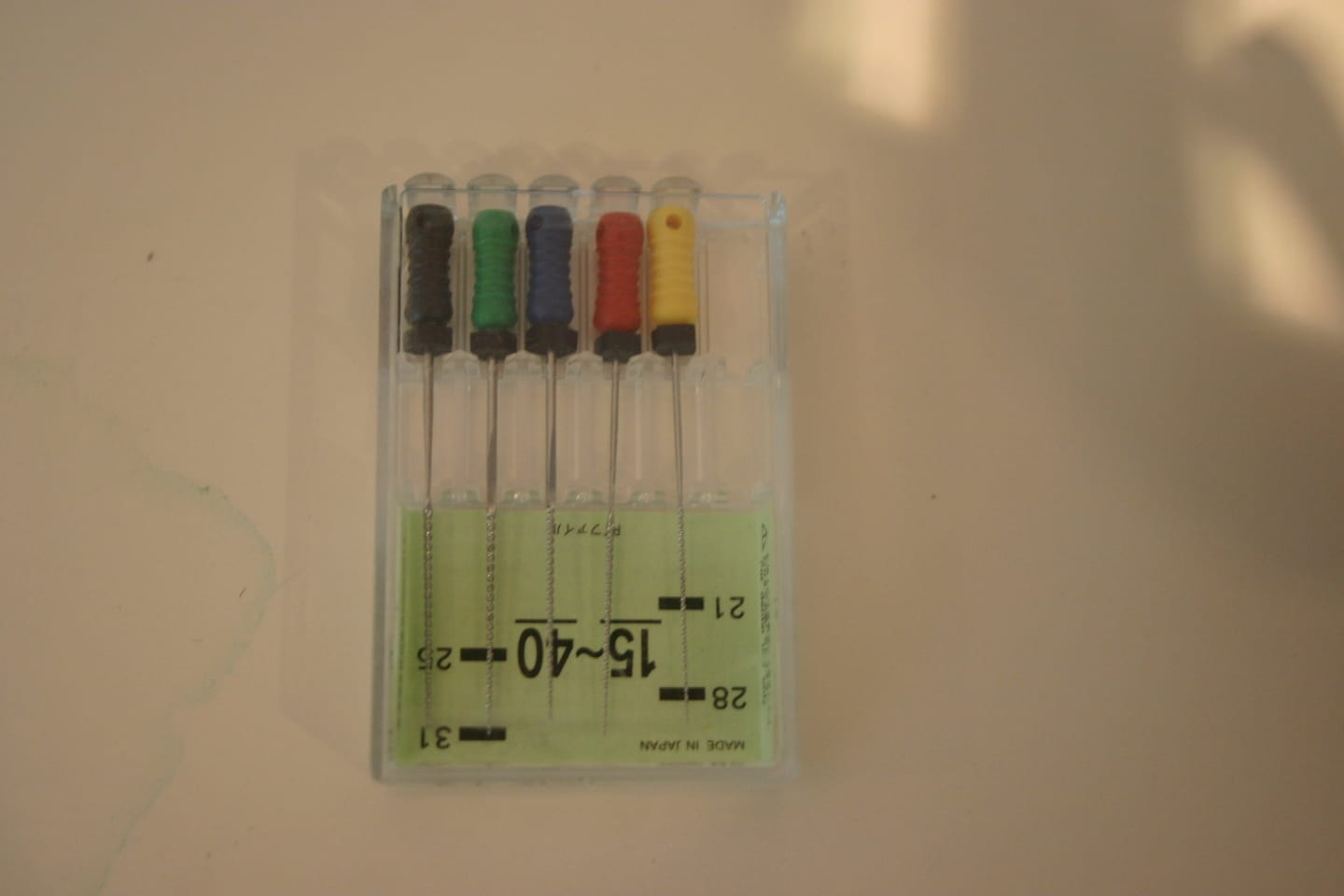
What it is
Root canal treatment is also called endodontics. It tackles infection at the centre of a tooth, the pulp. The pulp can become infected through tooth decay, gum disease, a chipped, broken or cracked tooth, or a dental abscess. The dentist drills into the tooth, removes the infected pulp (draining any abscess), cleans and shapes the inside of the root canals, and seals the space with a filling. The tooth is then sealed with a filling or a crown to stop it becoming infected again.
The register lists "Root Canal Treatment" alongside the specialty heading endodontics. This page covers the treatment itself; the endodontics page covers the specialty and the harder cases.
Who it is for, and who it is not for
It is for a tooth with an infected or badly damaged pulp, usually because of pain or an abscess, where the aim is to keep the tooth. The alternative, in UK health service wording, is that the tooth may have to be taken out. If you are weighing a root canal against an extraction and an implant or bridge, that is a decision to make with a dentist who has X-rayed the tooth, and the page on dental implant surgery shows what the implant route involves.
It may not be possible for every tooth. UK hospital-trust information lists curved canals or roots, canals that cannot be penetrated, and a fractured root or tooth among the difficulties; where the tooth cannot be saved, extraction is the fallback.
How it is done in Türkiye
The steps are the same as elsewhere. A local anaesthetic is usually given. The dentist opens the tooth, removes the pulp, cleans and shapes the canals, and fills them. UK health service information says it usually takes two or more appointments, each about one to two hours or sometimes longer, with a temporary filling between visits. We cannot say how many visits a given Turkish clinic plans; ask for the number, and ask what the plan is if the tooth is not ready by the end of your stay.
Dental literature describes the rubber dam, a thin sheet that isolates the tooth being treated from the rest of the mouth, as the preferred way of keeping it dry during root canal treatment. Whether it is used is a question you can ask.
Who may do what in Türkiye is set by the Ministry of Health's regulation on private oral and dental health facilities:
- Work inside the mouth must be done by a dentist; staff who are not dentists may not carry out intra-oral procedures.
- The regulation names four facility types: the private surgery (muayenehane), the polyclinic, the centre (merkez) and the hospital. Surgeries and polyclinics may not treat under sedation or general anaesthesia; centres and hospitals must have a general anaesthesia unit. This matters if you are offered sedation for the treatment.
- A dental X-ray unit is required in polyclinics, centres and hospitals, and X-ray devices need a licence from the nuclear regulator. Ask for the X-ray that shows the root filling at the end.
- Records must be kept electronically and must include diagnosis, treatment and X-ray information with tooth numbers. Ask for your copy.
- Dentists may not announce themselves as specialists beyond what their diploma or specialty certificate allows. Specialty certificates in Türkiye are issued by the Ministry of Health, and the Ministry publishes a core curriculum for endodontics.
We have not found a rule in the facility regulation that reserves root canal treatment to specialists. If the dentist's title matters, ask for it in writing.
What to check before you book
- Facility and dentist. Find the facility with register search; the register records authorisation and type, not which treatments are done. Ask for the dentist's full name and title.
- Diagnosis before the plan. Ask for the plan after an examination with X-rays of the tooth, not from a message or a photograph. Show the plan to your own dentist before you travel.
- Number of visits. Ask how many visits the root canal needs, how many days apart, and whether the dates fit your stay. Ask what happens if the infection is still present when you leave.
- Temporary and final restoration. Ask what temporary filling will be used, how long it can stay, and who will place the permanent filling or crown, and when.
- Isolation and instruments. Ask whether a rubber dam is used and whether instruments are single-use or sterilised on site.
- Records. Ask for the before and after X-rays, the tooth number, the treatment record and the materials used, handed to you before you leave.
- Guarantee wording. Ask what happens, and who pays, if the tooth needs re-treatment, root tip surgery or extraction after you return.
What a package must state
- which tooth or teeth, by tooth number, and the diagnosis they are based on;
- the number of root canal visits and the days they will take;
- whether X-rays, the anaesthetic and the temporary filling are included;
- what restoration follows (filling or crown), who makes it, and whether it is part of the package or separate;
- what is excluded, such as re-treatment, root tip surgery, extraction, medication and post and core build-up;
- the guarantee, with its length and conditions, and who pays for travel if work has to be redone;
- an invoice or receipt with a breakdown of services and the amount for each, which Turkish rules require for every patient treated;
- the deposit: what it holds and whether it is refundable.
Risks, complications and aftercare
UK hospital-trust information lists the following as possible: an instrument breaking off inside the tooth, a hole forming in the side of the root (perforation), fracture of the root or tooth, infection, swelling and discolouration, and the tooth failing to heal. If these occur, remedial treatment is sometimes possible; if not, the tooth may have to be taken out. Some discomfort afterwards is usual and normally eases within a few weeks.
Afterwards, NHS information says the face and jaw may stay numb for several hours, the area may be swollen and sore for up to a couple of weeks, and that paracetamol or ibuprofen can help. Avoid knocking the mouth, keep to follow-up appointments, look after your teeth and gums and keep up regular check-ups. A tooth that has had root canal treatment tends to become more brittle, which is why a crown is often advised, particularly if the tooth was badly infected.
Pain, swelling or fever after you return home mean seeing a dentist soon, not waiting for a complaint to be settled. Our guide to dental treatment in Türkiye explains what the register can and cannot tell you.
Questions to ask in writing
- Which tooth is being treated, and what is the diagnosis?
- Who will carry out the treatment, and what is their title or specialty certificate?
- How many visits will it need, and what is the plan if it is not finished before I leave?
- Will a rubber dam be used?
- What temporary filling will be placed, and who completes the permanent restoration and when?
- Will I receive the before and after X-rays and the treatment record, with tooth numbers?
- What does the guarantee cover if the tooth needs re-treatment or removal, and who pays for travel?
- Is there an invoice that itemises each service?
Frequently asked questions
Is root canal treatment finished in one visit?
Not usually. UK health service information says it normally takes two or more appointments of about one to two hours each, sometimes longer, with a temporary filling in between. Ask the clinic how many visits it plans and whether you can stay for all of them.
Will I need a crown afterwards?
A crown may be needed if the tooth was badly infected, because a root-treated tooth tends to be more brittle. That is a separate restoration, covered on the prosthetic teeth page, and it should appear in the plan.
What if root canal treatment does not work?
Options listed in UK hospital-trust information include re-treatment, root tip surgery or taking the tooth out. Ask how follow-up would work once you are home.
Does a root canal need a specialist?
Not by definition. Endodontists are specialists who focus on it, but we have not found a Turkish rule that reserves it to specialists, so ask who will do it and what their title is.
Is it painful?
You are normally given a local anaesthetic, so you are awake but should not feel pain. The area may be sore and swollen afterwards, which should improve within a couple of weeks.
This page is an information service, not medical advice. Clinimora is an independent, patient-funded research service. It does not sell treatment, does not diagnose and does not recommend any clinic.